Taxes & closing
Know what must be verified before closing day.
Taxes, escrow and closing costs can be material—but they are also local and contract-specific. We show planning math and the questions to ask, never a fake parcel bill.
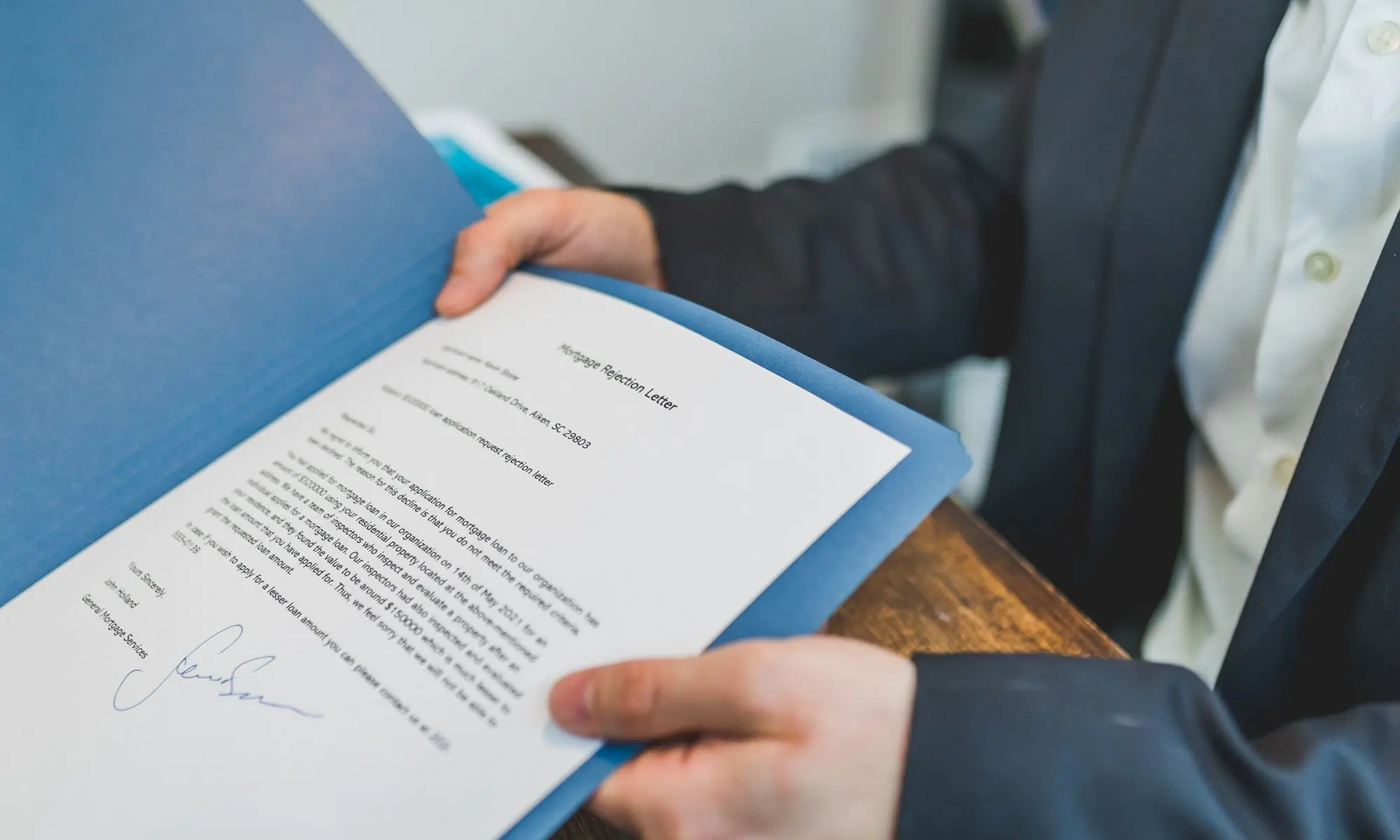
Cash to Close
Separate down payment, closing costs, prepaids, escrow and the cash reserve you decide to keep.
Available nowClosing-cost breakdown
Plain-language categories from the Loan Estimate and Closing Disclosure.
Public limitProperty-tax explainer
Use an editable tax-rate scenario only. Do not treat it as a county bill prediction.
Closing cash is an equation, not a single line item
The amount due at closing is down payment, plus closing costs, plus prepaids and initial escrow, minus any credits or deposits already paid. Buyers who only track the down payment are routinely surprised by how much more cash the rest of that equation adds — often thousands of dollars in lender fees, title work, inspections, recording fees, and the first deposit into an escrow account for taxes and insurance.
Where the categories actually come from
Every one of these line items should already be itemized on your Loan Estimate, and confirmed again on your Closing Disclosure before you sign — the two federally-required disclosure documents that exist specifically so a borrower can compare and verify these numbers rather than take a lender's word for it. Property tax rates, in particular, are set locally and vary by jurisdiction; nothing on this site invents a rate for your address — it only gives you a place to run your own verified number through the same equation.
For the full breakdown of what belongs in each category, and how to read those two disclosure documents line by line, see the closing cost breakdown, how to read a Loan Estimate, and the Closing Disclosure checklist.